


If you dream about becoming a K-pop idol, choosing the right agency can make a huge difference. Thousands of trainees enter entertainment companies every year, but only a small number actually debut. Some agencies are known for tough competition, while others have a strong record of developing trainees into successful artists. If you want to understand where trainees have the best chances, this guide will help you. In this article, you will discover ten K-pop agencies known for strong trainee development systems, smart debut strategies, and a history of turning trainees into real stars. Whether you are a fan or just curious about the K-pop industry, these companies show how preparation meets opportunity.
1. HYBE Corporation
HYBE is one of the most successful K-pop companies when it comes to developing trainees into global stars. The company became famous after the success of BTS and later expanded with groups like TXT, ENHYPEN, and LE SSERAFIM through its labels. HYBE focuses heavily on storytelling, performance training, and global marketing, which gives trainees a clear path once they are selected. Because HYBE often plans groups carefully and debuts fewer teams compared to the number of trainees they accept, those who remain in the system usually have strong chances. The company also invests heavily in mental health support and artist growth, which helps trainees stay prepared for their debut. This structured approach makes HYBE one of the most reliable agencies for trainee success.
2. SM Entertainment
SM Entertainment has one of the longest histories of turning trainees into successful idols. Known for groups like TVXQ, Girls’ Generation, EXO, Red Velvet, and NCT, SM has a very refined trainee system. The company focuses on vocals, languages, stage presence, and media training. SM trainees often spend years preparing, but those who remain usually debut in well-planned projects. SM also keeps many trainees visible through pre-debut content such as SM Rookies, which increases their chances of eventual debut. Because the company regularly launches new units and concepts, trainees have multiple pathways instead of just one opportunity. This long-term planning gives SM one of the strongest trainee conversion reputations in the industry.
3. JYP Entertainment
JYP Entertainment is known for its balanced focus on talent, personality, and teamwork. The company behind groups like TWICE, Stray Kids, ITZY, and NMIXX has a reputation for choosing trainees who fit specific group concepts rather than simply picking the most technically skilled individuals. JYP also frequently uses survival shows and internal evaluations to determine debut teams, which allows trainees to prove themselves publicly. The company’s philosophy of character development alongside talent often helps trainees adapt better after their debut. Because JYP tends to debut groups consistently every few years, trainees often see a clear timeline for potential opportunities. This steady debut cycle gives the agency a strong record of moving trainees toward real careers.
4. YG Entertainment
YG Entertainment is famous for quality over quantity. While the company accepts fewer trainees compared to others, it is known for investing deeply in those who remain. Artists like BIGBANG, BLACKPINK, and TREASURE show how YG focuses on individuality and performance identity. Trainees at YG often receive training in music production, rap writing, and stage charisma. Because the company debuts fewer groups, the selection process is strict, but those who pass often become part of highly promoted projects. YG also allows trainees to develop personal style, which helps them stand out after their debut. This selective approach means the trainee pool is smaller but often more likely to reach debut compared to large agencies with massive trainee numbers.
5. Cube Entertainment
Cube Entertainment has built a reputation for successfully debuting trainees who show strong creative ability. With artists like BTOB, (G)I-DLE, and Pentagon, Cube often encourages trainees to participate in songwriting and production even before debut. This allows trainees to become valuable contributors instead of just performers. Cube also tends to keep a manageable trainee roster, which increases visibility for each individual. Because the company focuses on developing unique colors for each artist, trainees who stay long enough often find a suitable concept. Cube may not be the largest company, but its focused management style has helped many trainees successfully transition into debut groups.
6. Starship Entertainment
Starship Entertainment has become known for consistent group launches and strong trainee management. The company behind MONSTA X, IVE, and CRAVITY often identifies trainees who fit modern trends and visual concepts. Starship gained attention through survival programs that helped showcase trainees before their debut, which increases their chances of making the final lineups. The agency also works closely with performance coaches and image consultants to prepare trainees for public attention. Because Starship continues to grow and expand its artist lineup, it creates more opportunities compared to smaller agencies. This steady expansion helps trainees see realistic chances for debut rather than uncertain waiting periods.
7. Pledis Entertainment
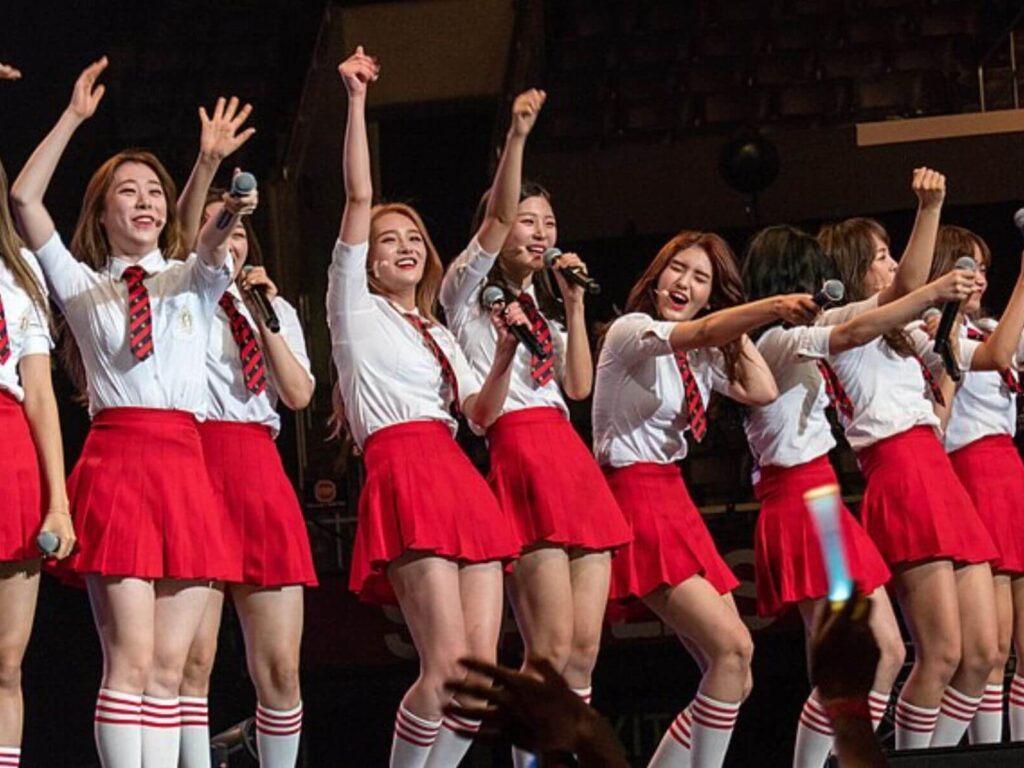
Pledis Entertainment has built a strong track record with groups like SEVENTEEN and fromis_9. The company is known for giving trainees significant creative involvement, especially in choreography and songwriting. SEVENTEEN is often cited as an example of how Pledis develops self-producing idols. Trainees at Pledis often receive practical project experience instead of only classroom-style training. Because the company maintains a smaller trainee system compared to major corporations, individuals often receive more focused attention. After joining HYBE as a subsidiary, Pledis also gained more resources, which improved its development programs. This combination of personal training and corporate support increases the chances of trainees reaching their debut.
8. FNC Entertainment
FNC Entertainment stands out because it develops both idol groups and bands. Known for artists like FTISLAND, CNBLUE, and SF9, the company gives trainees multiple possible career paths. Some may debut as idols while others may become musicians or actors. This flexibility increases the overall success rate compared to companies that only focus on one type of group. FNC also invests in vocal stability and live performance skills, which help trainees become more versatile. Because the company operates across different entertainment sectors, trainees sometimes find opportunities beyond traditional idol debuts. This broader approach improves long-term career outcomes for many trainees.
9. RBW Entertainment
RBW Entertainment may not be the biggest name, but it is respected for its strong training culture. The company behind MAMAMOO, ONEUS, and PURPLE KISS focuses heavily on vocal strength and musical identity. RBW often looks for trainees who can contribute artistically rather than just visually. The company also provides hands-on studio experience, which helps trainees understand music production early. Because RBW typically debuts groups with strong musical foundations, trainees who stay in the system usually have clear development goals. This practical training style gives RBW a solid reputation for turning dedicated trainees into capable performers.
10. KQ Entertainment
KQ Entertainment has gained global recognition thanks to the rise of ATEEZ and xikers. The company focuses on performance intensity and global touring readiness. KQ trainees often train with a heavy focus on stage power and choreography precision. Because the company maintains a smaller trainee pool, each trainee often receives more individual coaching. KQ also emphasizes teamwork, which helps trainees adapt faster when preparing for group debuts. The agency’s rapid global growth has created more opportunities than many expected from a mid-sized company. This growth trajectory gives trainees strong motivation and realistic chances to debut.
Conclusion
Not all K-pop agencies offer the same chances of debut, and success depends on timing, preparation, and company strategy. Some agencies maintain large trainee pools with intense competition, while others focus on fewer trainees with clearer debut plans. Companies like HYBE, SM, and JYP show the value of structured systems, while others like RBW and KQ show how focused training can also produce strong results. If you are studying the K-pop industry, you will notice that agencies with a clear identity, regular debuts, and strong artist development programs tend to produce more successful transitions from trainee to idol. While no path is guaranteed, these ten agencies show where preparation often meets opportunity.
Frequently Asked Questions
Which K-pop agency has the highest debut success rate?
There is no official public ranking because companies do not release full trainee numbers. However, agencies that manage smaller trainee groups or debut artists more frequently often appear to have higher success rates. Companies that plan long-term group projects also tend to show better trainee outcomes.
How long do K-pop trainees usually train before debut?
Training periods vary widely. Some trainees debut after one or two years, while others may train for five years or more. The average period is often around three to four years. Factors such as age, concept fit, and company plans can affect how long a trainee waits.
Do all trainees want to debut in idol groups?
Not always. Some trainees aim to become solo artists, producers, actors, or dancers. Many companies also offer alternative career paths if a trainee does not debut in a group. This includes modeling, songwriting, or performance directing roles.
Is joining a big agency better than joining a small agency?
Big agencies offer more resources and global exposure, but they also have more competition. Smaller agencies may provide more personal attention and faster opportunities. The best choice often depends on the trainee’s goals, strengths, and preferred training environment.
What factors increase a trainee’s chances of debut?
Consistency, adaptability, teamwork, and improvement are often more important than raw talent alone. Companies look for trainees who can grow, handle pressure, and match future group concepts. Personality and professionalism also play a major role in final selections.