



K-pop’s global rise didn’t happen overnight; it was built by artists who pushed boundaries, redefined idol culture, and expanded Korean music beyond Asia. From shaping modern trainee systems to dominating global charts, these artists changed how the world sees K-pop. Below are the top 10 most influential K-pop artists, ranked by cultural impact, industry influence, and global reach.
1. BTS
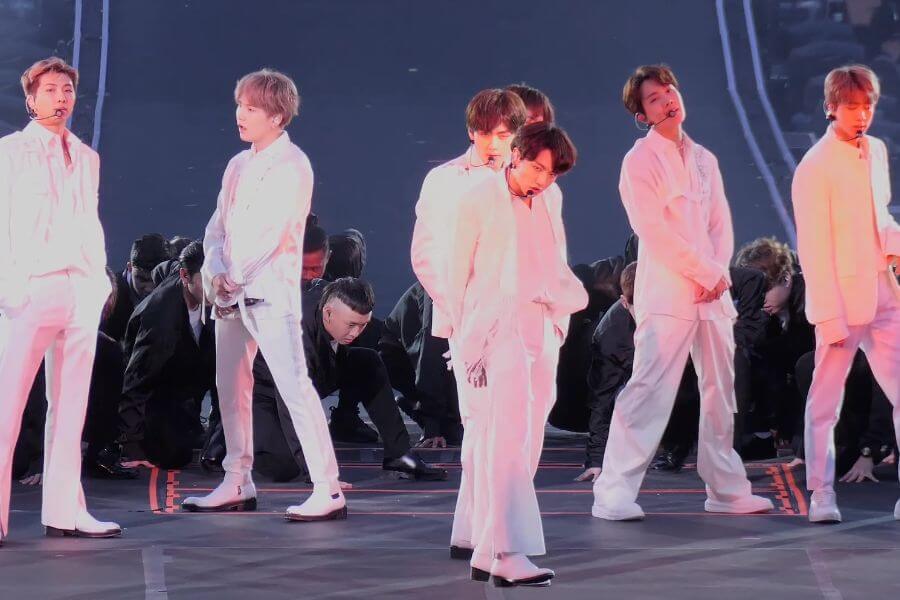
BTS are the most influential K-pop artists in history, breaking barriers no group had crossed before. They topped the Billboard Hot 100, sold out stadiums worldwide, and addressed the United Nations, redefining what a K-pop group could achieve globally. Their storytelling, self-produced music, and authenticity reshaped idol artistry and fan culture. BTS also transformed how Western media and award shows engage with K-pop, opening doors for countless artists after them.
2. BIGBANG
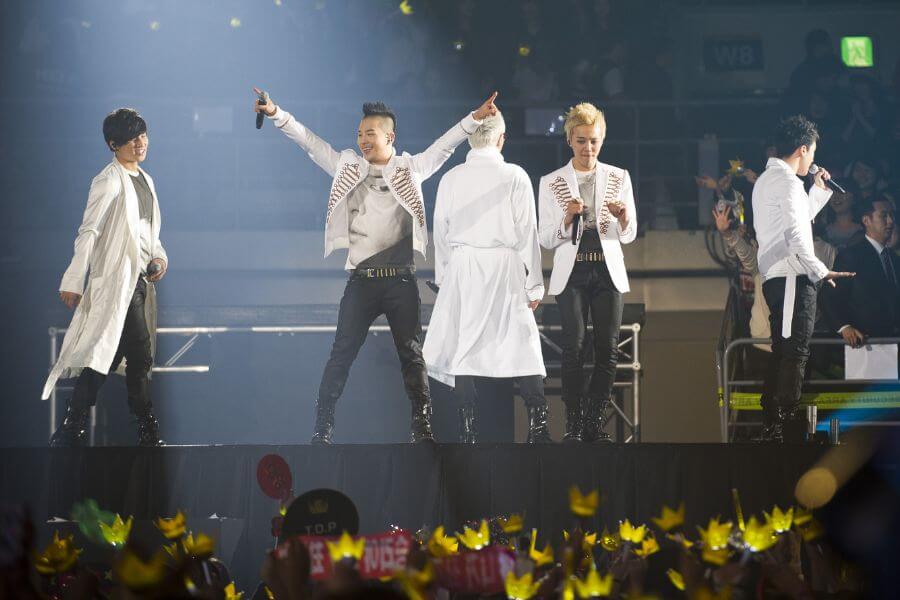
BIGBANG revolutionized K-pop by introducing strong artistic identity and self-production into idol music. G-Dragon’s role as a producer and fashion icon changed expectations for idols, while BIGBANG’s genre-blending sound influenced an entire generation. They popularized light sticks, fandom culture, and global touring models still used today. Their impact is deeply embedded in modern K-pop’s creative freedom, performance style, and global ambition.
3. BLACKPINK

BLACKPINK reshaped the global image of K-pop girl groups with record-breaking YouTube views, Coachella performances, and luxury brand dominance. They bridged music, fashion, and social media influence like no group before them. With massive Western collaborations and chart success, BLACKPINK proved girl groups could dominate globally at the same scale as boy groups, setting a new industry standard for global branding.
4. PSY

PSY’s “Gangnam Style” was a cultural earthquake that introduced K-pop to the mainstream global audience. As the first YouTube video to hit one billion views, it changed how viral music was perceived worldwide. PSY proved that language barriers were irrelevant in the digital age, paving the way for global curiosity and acceptance of Korean pop music long before today’s streaming boom.
5. BoA

Known as the “Queen of K-pop,” BoA laid the foundation for K-pop’s expansion into Japan and international markets. Debuting at a young age, she mastered multiple languages and dominated overseas charts, proving Korean artists could succeed globally. BoA influenced idol training systems, longevity standards, and cross-border promotions, directly shaping the modern global K-pop business model.
6. IU

IU redefined what it means to be a solo artist in K-pop, combining songwriting, vocal excellence, and emotional storytelling. She bridges idol pop and singer-songwriter credibility, earning respect from both mainstream fans and critics. IU’s influence lies in artistic independence, digital chart dominance, and setting a blueprint for long-term solo success in an industry dominated by groups.
7. EXO
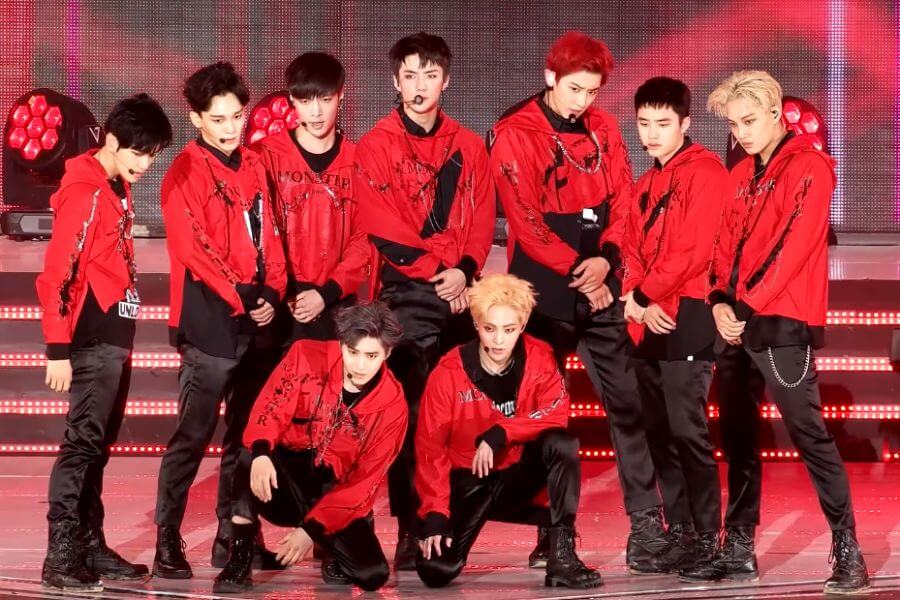
EXO played a major role in K-pop’s third-generation explosion, dominating physical album sales and expanding fandom culture internationally. Their dual Korean-Chinese concept pushed cross-market promotion further than ever before. EXO’s success solidified the modern idol group structure, influencing performance standards, vocal distribution, and large-scale fandom engagement that many groups still follow today.
8. Girls’ Generation (SNSD)

Girls’ Generation defined the modern K-pop girl group era. Their success established the “nation’s girl group” concept and set performance, visual, and branding standards still used today. SNSD helped normalize girl group longevity and crossover success in music, acting, and variety shows, shaping how female idols are marketed and perceived across generations.
9. G-Dragon

As a soloist and leader of BIGBANG, G-Dragon changed idol culture by proving artists could be both mainstream and experimental. His influence spans music production, fashion, branding, and creative direction. G-Dragon normalized idols writing their own music and expressing individuality, inspiring today’s artist-driven K-pop generation.
10. TWICE
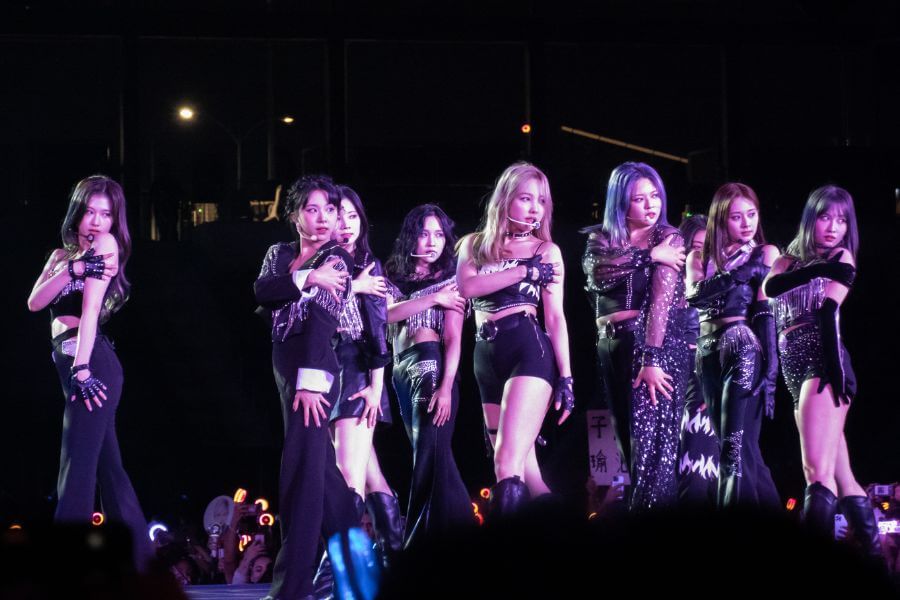
TWICE reshaped the global girl group landscape with record-breaking album sales, viral choreography, and strong international fandoms, especially in Japan and the West. Their consistent hits and approachable image influenced the fourth generation’s concept strategies. TWICE proved that longevity, global appeal, and mass-market success can coexist in modern K-pop.
Conclusion
These influential K-pop artists didn’t just achieve success; they reshaped the global music industry and redefined what Korean pop could be. From viral breakthroughs to record-breaking tours and artistic innovation, their impact continues to inspire new generations of idols worldwide. As K-pop expands across charts, cultures, and platforms, the legacy of these trailblazers remains the foundation of its unstoppable global growth.