


Korean wellness culture has gained global attention not just because it looks appealing on social media, but because many of its practices are rooted in real health science. While some trends come and go, others have stayed for generations because they genuinely help people feel better, sleep better, and live healthier lives. If you have ever wondered whether Korean wellness habits are just trends or actually effective, you may be surprised to learn that many of them align closely with modern research in nutrition, psychology, and preventive healthcare. The interesting part is that most of these habits are simple lifestyle choices rather than expensive routines. You do not need luxury treatments or complicated programs. Instead, you can adopt small daily behaviors that support your physical and mental health. In this guide, you will discover ten Korean wellness trends that are supported by science and learn how you can realistically incorporate them into your own life.
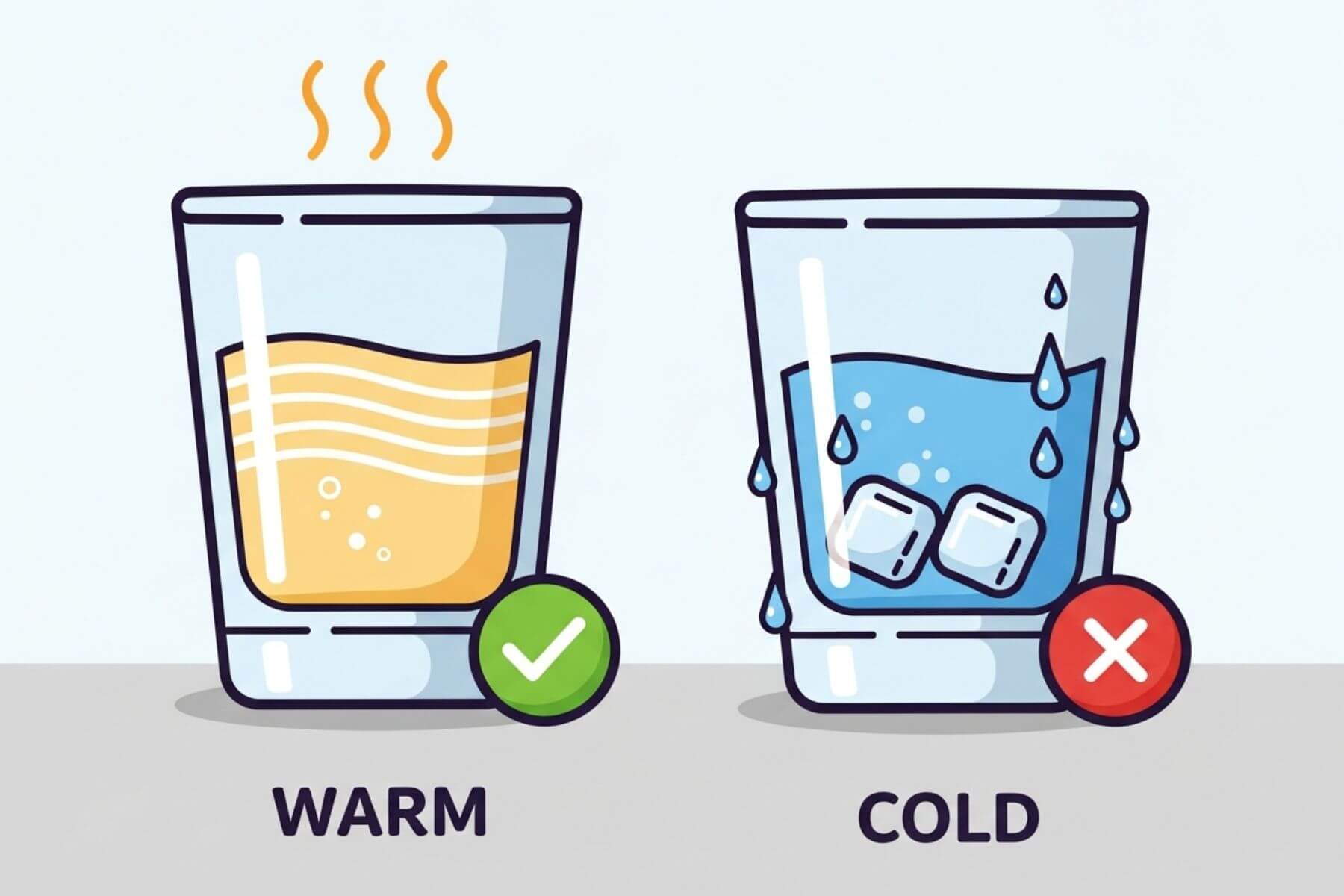
1. Drinking Warm Water Instead of Ice-Cold Drinks
In Korea, many people avoid drinking ice water, especially in the morning or after meals. Instead, they often choose warm or room temperature water because it is believed to support digestion and circulation. While this may sound like a cultural preference, there is scientific reasoning behind it. Drinking warm water can help relax the digestive tract and may improve the breakdown of food. Cold water, on the other hand, can slightly constrict blood vessels and may slow digestion for some people. Research on digestion shows that hydration itself is important, but warmer liquids may be more comfortable for your gastrointestinal system. This is also why many Korean restaurants serve warm barley tea instead of cold water. If you want to try this habit, you can start your day with a cup of warm water instead of iced coffee. This small change can help you hydrate faster and may reduce stomach discomfort, especially if you often experience bloating.
2. Following the “Eat Until 80 Percent Full” Philosophy
Many Koreans naturally practice portion control by stopping before they feel completely full. This habit is similar to the Japanese concept of eating until you are about eighty percent satisfied. Science strongly supports this approach because overeating places stress on your metabolism and can lead to weight gain and insulin resistance. When you eat slowly and stop before feeling stuffed, your brain has enough time to receive fullness signals from hormones like leptin and ghrelin. Korean meals also tend to include many small side dishes rather than one large portion, which naturally encourages mindful eating. You can apply this habit by eating slowly, putting your utensils down between bites, and checking whether you are still hungry rather than eating automatically. Over time, this can help you maintain a healthy weight without strict dieting.
3. Prioritizing Fermented Foods for Gut Health
Korean cuisine includes many fermented foods such as kimchi, doenjang, and fermented radish dishes. These foods are rich in probiotics, which are beneficial bacteria that support gut health. Modern research shows that gut microbiome balance is linked to digestion, immune function, and even mental health. Fermented vegetables contain lactic acid bacteria that may improve digestion and reduce inflammation. Kimchi in particular has been studied for its potential benefits in cholesterol management and metabolic health. Adding fermented foods to your diet does not mean you must completely change how you eat. You can start by adding a small serving of kimchi or yogurt to one meal each day. Consistency matters more than quantity, and even small amounts can contribute to a healthier gut environment.
4. Using Floor Sitting and Stretching for Mobility
Traditional Korean homes often use floor seating instead of chairs, which naturally encourages more movement when sitting down and standing up. This habit may seem uncomfortable at first, but it promotes flexibility and joint mobility. Studies on mobility show that regularly getting up from the floor requires strength, balance, and flexibility, all of which are associated with healthier aging. Korean culture also emphasizes simple daily stretching rather than intense workouts alone. Many people perform short morning stretches or light mobility exercises before starting their day. You can benefit from this by adding a five-minute stretching routine when you wake up or before bed. Even occasional floor sitting instead of always using a chair can improve hip flexibility and posture.
5. Visiting Bathhouses for Heat Therapy Benefits
Korean bathhouses, known as jjimjilbangs, are not just places to relax. They also offer heat therapy through saunas and heated rooms. Scientific studies show that heat exposure from saunas can improve circulation, reduce muscle tension, and may even support cardiovascular health. Regular sauna use has been associated with lower stress levels and improved recovery after exercise. The heat causes blood vessels to expand, which improves blood flow and may help remove metabolic waste from muscles. While you may not have access to a Korean bathhouse, you can still experience similar benefits through sauna sessions at a gym or even hot baths at home. The key idea is using heat safely and consistently to promote relaxation and recovery.
6. Practicing Digital Detox Through Nature Walks
Koreans often take mountain walks or visit local parks as a way to disconnect from busy city life. Hiking is one of the most popular leisure activities in Korea, and it is often treated as both exercise and mental therapy. Scientific research strongly supports spending time in nature as a way to reduce cortisol, the primary stress hormone. Exposure to green environments has been shown to improve mood, lower anxiety, and improve attention span. This explains why many Korean office workers spend weekends hiking or walking along rivers. You do not need a mountain to benefit from this practice. Even a thirty-minute walk in a park without checking your phone can help reset your mental focus and reduce stress.
7. Emphasizing Preventive Healthcare Checkups
One of the most practical wellness habits in Korea is the strong focus on preventive health screenings. Many people schedule regular medical checkups even when they feel healthy. Preventive medicine is widely supported by research because early detection of health conditions leads to better outcomes and lower treatment costs. Korea’s health culture encourages routine blood tests, cancer screenings, and metabolic health monitoring. You can adopt this mindset by treating health checkups as maintenance rather than something you only do when problems appear. Regular monitoring helps you understand your body better and allows you to make lifestyle changes before issues become serious.
8. Drinking Herbal Teas for Functional Health Benefits
Herbal teas such as ginger tea, jujube tea, and barley tea are commonly consumed in Korea, not just for taste but for their functional properties. Ginger tea may help with nausea and inflammation, while jujube tea is traditionally associated with relaxation and sleep support. Barley tea is caffeine-free and supports hydration without stimulating the nervous system. Scientific research on herbal ingredients shows that many contain antioxidants and plant compounds that may support overall health. While herbal tea is not a cure for illness, it can be a healthy replacement for sugary drinks or excessive caffeine. Replacing one daily soda with herbal tea can reduce sugar intake and improve hydration habits.
9. Practicing Communal Eating for Mental Well-being
Korean meals are often shared experiences where multiple dishes are placed in the center of the table. This encourages social interaction rather than isolated eating. Research in psychology shows that social meals can improve emotional well-being and reduce feelings of loneliness. Eating together also encourages slower eating and better digestion because conversation naturally slows your pace. Social connection itself is considered a major factor in long term health and longevity. Even if you live alone, you can still apply this idea by scheduling meals with friends or family when possible. Turning meals into social time rather than rushed activities can benefit both your mental and digestive health.
10. Maintaining Structured Daily Routines
Korean culture often emphasizes structured daily routines, including consistent meal times, sleep schedules, and work habits. Scientific research on circadian rhythms shows that consistent daily patterns help regulate hormones, improve sleep quality, and support metabolic health. Irregular schedules can disrupt your internal body clock and negatively affect energy levels. Many Korean wellness habits, such as eating meals at similar times each day and maintaining regular sleep schedules, support circadian stability. You can apply this by setting consistent sleep and wake times, even on weekends. Regular routines help your body function more efficiently and may improve both productivity and recovery.
Conclusion
Korean wellness trends may look simple on the surface, but many of them align closely with what modern science recommends for long term health. What makes these habits effective is not complexity but consistency. Drinking warm water, eating mindfully, incorporating fermented foods, stretching daily, using heat therapy, walking in nature, prioritizing preventive healthcare, drinking herbal teas, sharing meals, and maintaining routines all support different aspects of your wellbeing. You do not need to adopt everything at once. Instead, you can start with one or two habits and gradually build a lifestyle that supports both physical and mental health. Wellness is not about perfection. It is about the small decisions you repeat every day. By adopting these science-supported Korean wellness habits, you can build a sustainable approach to feeling healthier and more balanced.
Frequently Asked Questions
Are Korean wellness trends really different from Western wellness habits?
Many Korean wellness habits focus on prevention and daily consistency rather than quick results. While Western wellness often emphasizes workouts and supplements, Korean wellness tends to focus more on diet balance, routines, and lifestyle behaviors. However, both approaches often overlap in scientific principles.
Do I need to eat Korean food to benefit from these wellness trends?
No, you do not need to completely change your diet. Many of these habits are about behavior rather than specific foods. For example, you can practice mindful eating, maintain routines, and drink herbal teas without changing your entire cuisine preference.
How often should I eat fermented foods?
Most research suggests that small daily amounts can be beneficial. You do not need large portions. Even a few bites of fermented vegetables or probiotic foods each day can help support gut health when consumed consistently.
Is drinking warm water really better than cold water?
The most important factor is staying hydrated. However, warm water may be gentler on digestion for some people and may encourage more consistent hydration habits, especially in the morning.
Are jjimjilbang saunas safe for everyone?
Saunas are generally safe for healthy individuals when used in moderation. However, people with heart conditions, low blood pressure, or pregnancy concerns should consult a healthcare professional before using high heat environments.
Can short nature walks really reduce stress?
Yes, even short exposure to green environments has been shown to reduce stress hormones and improve mood. You do not need long hikes. Regular short walks can still provide measurable mental health benefits.
Why is routine so important for wellness?
Your body operates on biological rhythms. Consistent sleep and meal timing help regulate hormones that control energy, hunger, and recovery. Irregular routines can disrupt these systems and lead to fatigue.
Are herbal teas scientifically proven to work?
Many herbal teas contain plant compounds with known benefits, such as antioxidants or anti-inflammatory effects. While they are not medical treatments, they can support healthy habits when used as part of a balanced lifestyle.
Is social eating really important for health?
Research shows that strong social connections are linked to lower stress levels and improved mental health. Eating together is one simple way to maintain social bonds and emotional well-being.
What is the easiest Korean wellness habit to start today?
One of the easiest habits is mindful eating. Simply slowing down your meals, chewing thoroughly, and stopping before feeling overly full can have immediate benefits for digestion and long-term health.