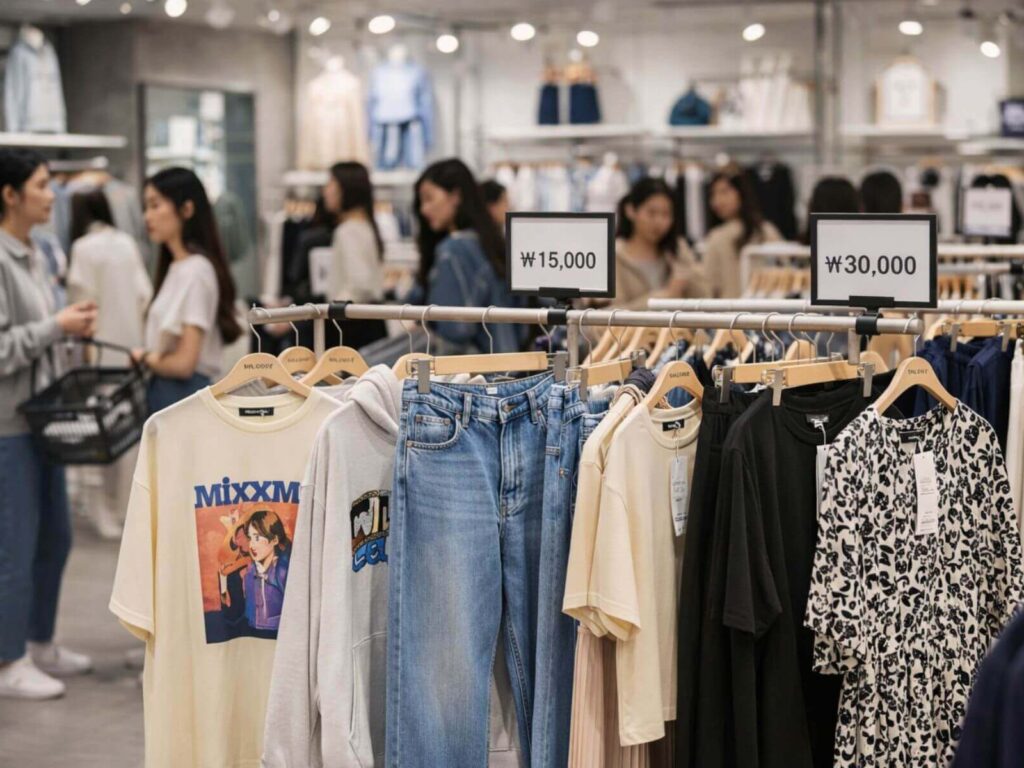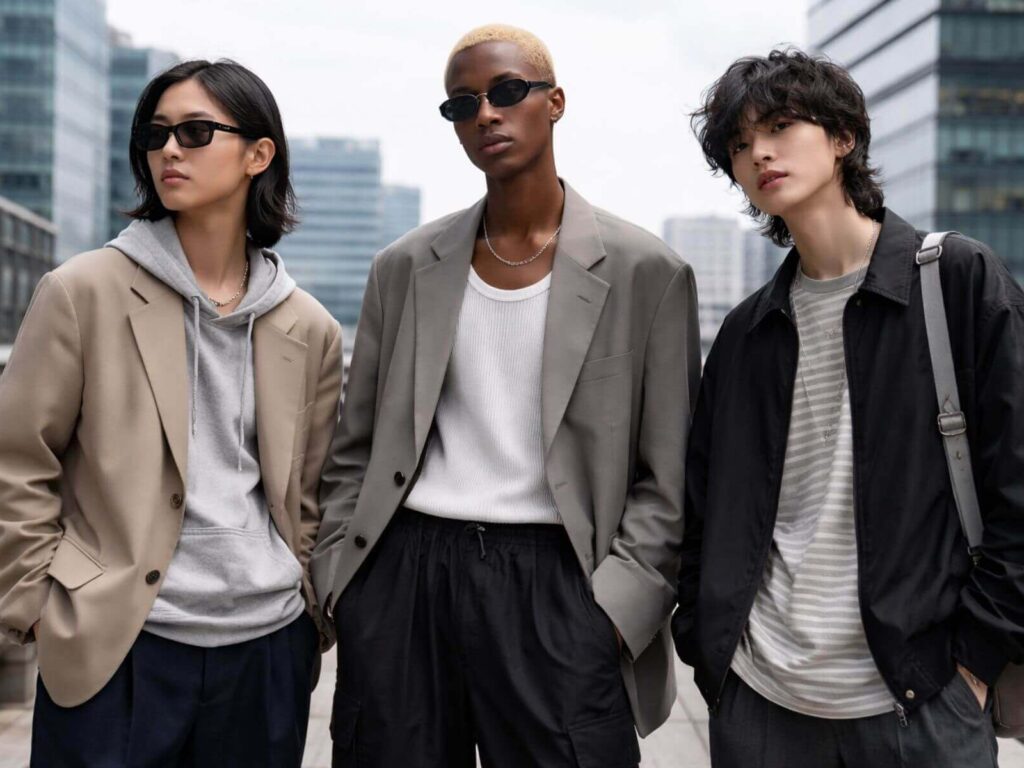

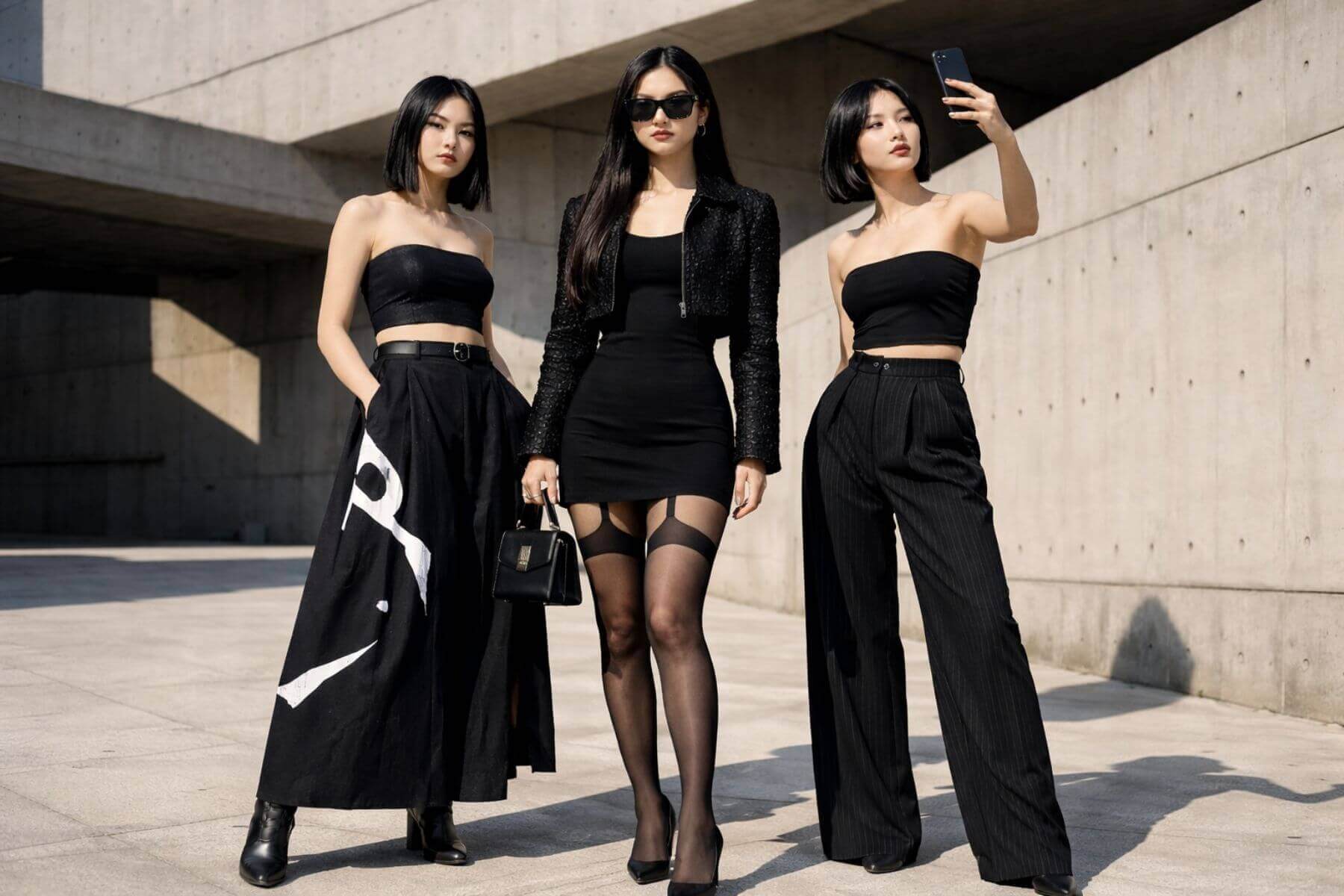
K-fashion has become a global trendsetter in 2026, fusing Seoul’s streetwear flair with minimalist modern aesthetics. From runway-inspired looks to casual everyday outfits, Korean style continues to influence consumers around the world. With social media, K-pop idols, and dramas fueling demand, several countries have emerged as the biggest lovers of K-fashion. Here are the top 10 nations where the Korean fashion wave is thriving, along with key statistics that showcase just how strong its global pull has become.
1. United States
The U.S. remains the largest overseas market for K-fashion in 2026, with Korean apparel imports growing by 31% since 2024. Millennials and Gen Z shoppers especially adore streetwear brands like Musinsa and Ader Error. Los Angeles and New York have become hotspots for Korean pop-up stores and influencer collaborations. TikTok-driven fashion challenges and K-pop-inspired styling contribute to over $1.2 billion in K-fashion sales annually. American buyers value Korea’s mix of comfort, edge, and creativity that distinguishes it from fast fashion alternatives.
2. Japan
Japan’s appreciation for Korean fashion remains strong, with 28% of teens and young adults showing a preference for Korean designers in 2026. Cultural overlaps and shared fashion sensibilities boost steady growth. Harajuku boutiques stock Seoul-designed brands, while K-pop fashion trends like genderless styling and pastel aesthetics dominate local magazines. The Japan-Korea fashion exchange market is estimated at $920 million. With shows like “Street Woman Fighter” and Korean influencer collaborations, K-fashion continues to embody the balance of chic minimalism and expressive individuality admired by Japanese consumers.
3. China
Despite previous trade challenges, China’s love for K-fashion has reignited in 2026, particularly through e-commerce platforms like Tmall and Xiaohongshu. Sales of Korean fashion items rose 43% compared to 2025, driven by mini-dresses, unisex streetwear, and minimalist chic inspired by Korean influencers. Chinese Gen Z consumers embrace Seoul’s modern yet soft aesthetic, integrating it into local trends. Cross-border live commerce featuring Korean designers now attracts millions of viewers per session. K-fashion’s mix of sophistication and trend-driven adaptability resonates deeply with urban Chinese consumers this year.
4. Thailand
Thailand’s fashion scene has fully embraced K-fashion, propelled by cultural affinity with K-pop and K-dramas. In 2026, over 40% of fashion-forward Thai youth identify Korean style as their top inspiration. Local malls in Bangkok feature Seoul-inspired concept stores, and Korean brands have doubled their presence in online retail spaces. Korean trends such as “soft grunge” and comfortable oversized fits dominate Thai social media fashion feeds. Industry data estimates Thai K-fashion sales have grown 36% year-on-year, making Thailand one of the most vibrant Southeast Asian markets.
5. Philippines
The Philippines has become one of the most enthusiastic K-fashion markets thanks to a fusion of tropical casual wear with Seoul’s cool, polished vibe. Over 35% of Filipino Gen Z consumers reported purchasing Korean-inspired outfits in 2026. Local content creators on TikTok and YouTube heavily feature Korean streetwear and K-drama aesthetics. Korean labels such as Stylenanda and Chuu are highly sought after on e-commerce platforms like Shopee and Lazada. This growing influence underscores Filipino consumers’ appreciation for expressive, affordable, and influencer-approved fashion inspired by Korean culture.
6. Indonesia
Indonesia continues to surge as a key K-fashion powerhouse, driven by social media engagement and online shopping culture. Korean fashion imports to Indonesia jumped 41% in 2026, fueled by youth culture and hijab-friendly reinterpretations of K-trends. Indonesian influencers have localized Korean casual and street styles, blending modesty with modern design. Seoul-based brands are partnering with Jakarta fashion creators for K-lifestyle campaigns. With rising middle-class spending and digital platforms connecting fashion lovers, Indonesia stands as a fast-growing and culturally adaptive K-fashion hub in Asia.
7. Vietnam
Vietnam’s K-fashion market has expanded rapidly, seeing 39% annual growth in 2026. Young Vietnamese professionals and students are drawn to refined, minimalist Korean aesthetics and quality craftsmanship. Korean streetwear and work-leisure looks trend particularly in Ho Chi Minh City and Hanoi. Brands like Mixxmix and Gentle Monster lead online shopping favorites. K-pop fashion influence, especially from groups like NewJeans and Stray Kids, drives localized fashion trends. With affordable pricing and daily wearable appeal, K-fashion has carved a strong niche in Vietnam’s youthful lifestyle economy.
8. France
France, long considered the heart of high fashion, has developed an intense fascination with Korean aesthetics. Paris Fashion Week now features multiple Seoul-based designers, and Korean ready-to-wear exports to France rose 27% this year. French consumers admire K-fashion’s mix of tailoring and street attitude, often fusing it with local haute couture pieces. Influencers and stylists highlight Korean layering, soft-tone palettes, and androgynous silhouettes. France’s embrace of K-fashion illustrates how Korean creativity has evolved from fandom inspiration to a respected global trend-setting force in 2026.
9. United Kingdom
The UK fashion scene has wholeheartedly welcomed K-fashion’s unique mix of innovation and comfort. Korean brands have seen a 30% sales spike through London-based stores and online platforms in 2026. British consumers love wearable yet experimental styling: oversized knits, cropped jackets, gender-fluid designs, all influenced by K-pop idols and Korean designers. Collaboration pop-ups between Seoul and London fashion schools have increased exposure further. The “Seoul-London Express” trend on TikTok showcases fusion looks merging British edge with Korean softness, keeping London’s youth engaged in K-style evolution.
10. Malaysia
Malaysia’s dynamic fashion consumers have made it one of Southeast Asia’s fastest-growing K-fashion markets in 2026, with imports up 38%. Korean modest streetwear and pastel-toned outfits are especially loved among millennials and Gen Z. Kuala Lumpur’s retail spaces host several Korean concept stores, and online K-fashion marketplaces thrive. K-drama outfit trends like clean blazers, pleated skirts, and unisex hoodies consistently influence Malaysian shoppers. The comfort, creativity, and versatility of Korean looks fit seamlessly into Malaysia’s climate and culture, driving lasting enthusiasm for all things K-fashion.
Conclusion
From New York to Bangkok, K-fashion continues to redefine global style in 2026. Beyond celebrity influence, it’s now a lifestyle movement symbolizing individuality, creativity, and effortless cool. Each country has adapted the Korean style to its local context, proving the universal appeal of Seoul’s fashion DNA. As Korean designers expand internationally and consumers seek authenticity with flair, K-fashion’s footprint is set to grow stronger than ever. The trend has evolved beyond hype, establishing itself as a powerful and enduring part of global fashion culture.