
While many Korean dramas highlight the fast-paced life of Seoul, some of the most memorable stories take place far from the capital. These dramas showcase beautiful coastal towns, quiet countryside villages, and historic cities that offer a completely different atmosphere. From romantic seaside stories to emotional small-town mysteries, these series prove that Korea’s regional settings can be just as captivating as any big city backdrop. If you enjoy discovering new filming locations while watching compelling stories, these K-dramas set outside Seoul deserve a spot on your watchlist. Here are ten standout dramas that highlight Korea’s hidden gem locations.
1. When the Camellia Blooms (Pohang)

When the Camellia Blooms takes place in the fictional town of Ongsan, inspired by small coastal communities like Pohang and Guryongpo. The drama follows Dong Baek, a single mother who opens a bar and slowly becomes part of the tight-knit community. The seaside setting adds warmth and realism to the story, making the town feel like a character itself. The quiet streets, local markets, and ocean views create a comforting atmosphere that perfectly supports the emotional storytelling. This drama stands out because it shows the beauty of small-town life, where everyone knows each other, and relationships feel more personal. It is a perfect example of how a non-Seoul setting can strengthen both the romance and the mystery elements of a story.
2. Hometown Cha-Cha-Cha (Pohang)
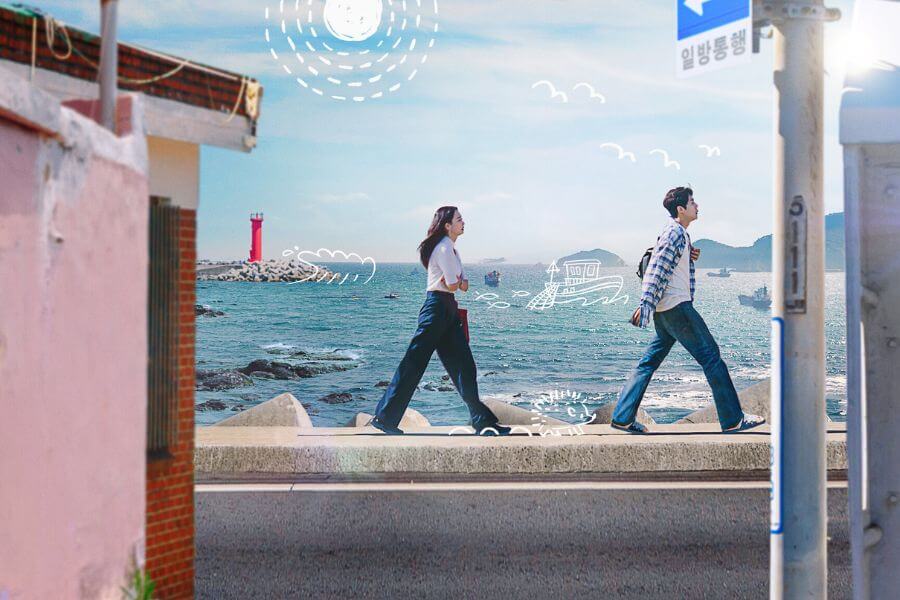
Hometown Cha-Cha-Cha is set in the charming seaside village of Gongjin, filmed in the real coastal city of Pohang. The story follows a dentist from Seoul who relocates to this peaceful town and slowly adapts to a simpler lifestyle. The drama beautifully captures ocean scenery, small businesses, and the warmth of community relationships. The relaxed coastal setting plays a huge role in the story’s healing theme as characters learn to slow down and appreciate everyday life. The drama became especially popular because viewers fell in love with the town’s scenic harbor, cozy cafes, and friendly residents. This series is perfect for viewers who enjoy heartwarming romance mixed with picturesque seaside views and meaningful life lessons.
3. Our Blues (Jeju Island)

Our Blues takes viewers to Jeju Island, one of Korea’s most famous travel destinations. Instead of focusing on one main storyline, the drama presents multiple interconnected stories about the lives of residents in this island community. The show highlights Jeju’s unique culture, including its fishing traditions and famous female divers known as haenyeo. The island scenery, from black volcanic beaches to peaceful countryside roads, adds emotional depth to each story. This drama feels very grounded because it portrays realistic struggles, friendships, and family relationships. By focusing on ordinary people living outside the capital, Our Blues shows a different side of Korean life that feels authentic and deeply human.
4. Mr. Sunshine (Various Historical Locations)

Mr. Sunshine moves away from modern city settings and instead explores historical Korea, with many scenes filmed in places like Nonsan, Hapcheon, and other historic regions. The drama tells the story of a Korean-born U.S. Marine officer who returns to Korea during a turbulent historical period. The use of traditional villages, old architecture, and natural landscapes helps create an immersive historical atmosphere. Unlike typical city dramas, the locations here emphasize Korea’s cultural heritage and political struggles of the time. The cinematography is especially impressive, with sweeping mountain views and carefully recreated historical streets that bring the era to life. This drama is ideal for viewers who appreciate historical storytelling combined with stunning regional backdrops.
5. Crash Landing on You (Seoraksan and Switzerland)
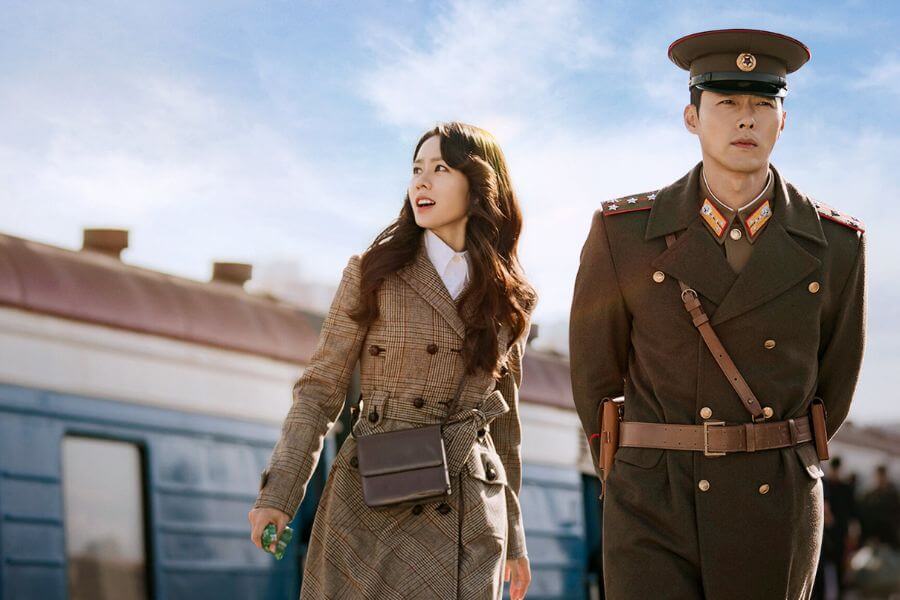
Crash Landing on You features a unique setting by dividing its story between South Korea and a fictional North Korean village. In South Korea, many scenes were filmed in places like Seoraksan National Park and coastal areas far from Seoul. The North Korean village setting creates a strong sense of isolation and simplicity, which contrasts with the main character’s wealthy lifestyle. The quiet countryside environment plays an important role in developing the relationships between characters. The drama’s use of remote natural landscapes and rural settings helps create a sense of escape from urban life. This balance of romance, suspense, and beautiful scenery helped make the drama a global hit.
6. Beyond Evil (Muncheon-inspired setting)
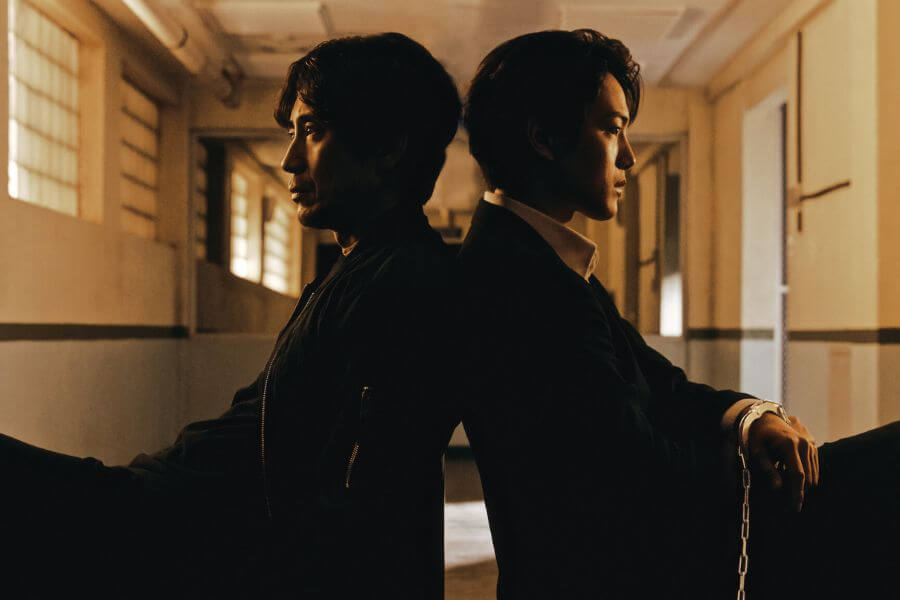
Beyond Evil takes place in the fictional small town of Manyang, inspired by rural cities such as Paju and other quiet provincial areas. The drama focuses on a dark psychological mystery involving a series of murders that shake the town. The isolated setting enhances the suspense because the close community means everyone could be a suspect. The small town environment also allows the story to explore themes of trust, secrets, and long-buried trauma. The quiet streets and aging buildings contribute to the tense atmosphere, making the setting feel both familiar and unsettling. This drama proves that rural settings can be perfect for intense thrillers that rely on mood and character depth.
7. Encounter (Sokcho)
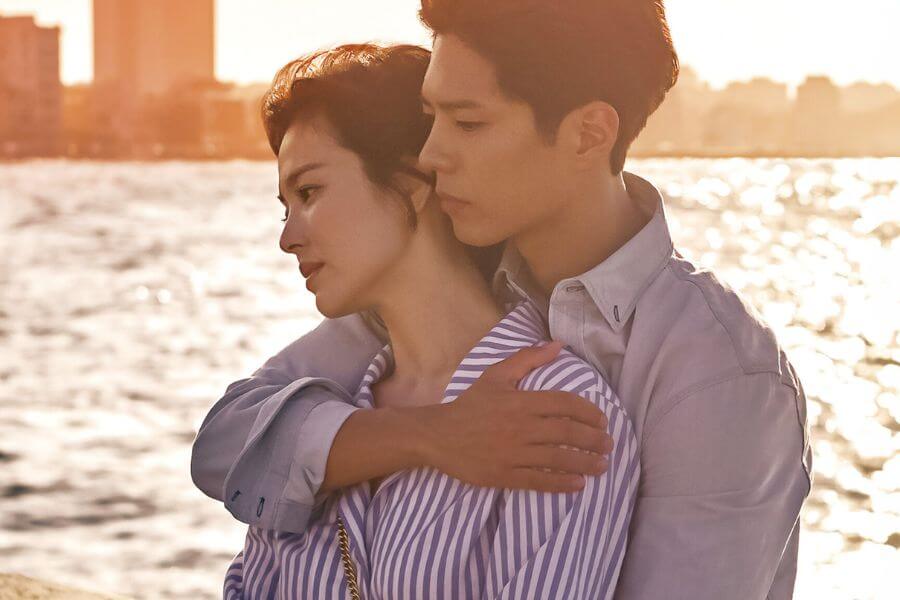
Encounter features beautiful filming locations, including Sokcho and parts of Cuba, offering a refreshing change from Seoul’s urban scenery. The story follows an unlikely romance between a free-spirited young man and a successful hotel executive. The seaside city of Sokcho adds emotional softness to the story with its beaches, quiet streets, and scenic views. The drama uses these peaceful environments to reflect the characters’ emotional journeys and personal growth. By moving away from the corporate atmosphere of Seoul, the drama highlights how new environments can change people’s perspectives. The combination of travel-inspired storytelling and regional Korean settings makes this series visually memorable.
8. Reply 1997 (Busan)

Reply 1997 stands out because it is set in Busan rather than Seoul, offering a strong regional identity rarely seen in earlier dramas. The story follows a group of friends growing up in the 1990s and captures local culture, dialects, and everyday life. Busan’s neighborhoods, schools, and streets add authenticity to the nostalgic storytelling. The use of the Busan dialect also gives the drama a unique personality and makes the characters feel more realistic. By focusing on youth experiences outside the capital, the drama connects strongly with viewers who appreciate stories about friendship and first love. It remains one of the most beloved coming-of-age K-dramas because of its strong sense of place and emotional storytelling.
9. Welcome to Samdal-ri (Jeju Island)

Welcome to Samdal-ri is another drama set on Jeju Island, focusing on a photographer who returns to her hometown after facing challenges in Seoul. The story emphasizes themes of healing, forgiveness, and rediscovering one’s roots. The island setting plays an important role in showing the contrast between busy city life and peaceful rural living. The drama highlights Jeju’s natural beauty, including its coastal roads, fields, and small neighborhoods. The sense of community is central to the story as old friendships are rebuilt and personal growth takes place. This drama appeals to viewers who enjoy stories about returning home and finding comfort in familiar places.
10. Hotel Del Luna (Mokpo)

Hotel Del Luna, while partly set in Seoul, features many memorable scenes filmed in historic cities such as Mokpo. The drama mixes fantasy with real-world locations, creating a unique visual style that feels both magical and grounded. Mokpo’s historic streets and architecture help create the mysterious atmosphere surrounding the hotel’s past. The contrast between modern and historic environments strengthens the story’s themes about time and memory. While the supernatural elements attract viewers, the regional filming locations add depth and visual richness. This drama shows how locations outside the capital can enhance even fantasy stories by providing a distinctive visual identity.
Conclusion
K-dramas set outside Seoul offer viewers a chance to explore Korea’s diverse regions while enjoying unforgettable stories. From the beaches of Jeju to the streets of Busan and the quiet charm of coastal villages, these locations add authenticity and emotional depth to each series. These dramas also highlight the importance of community, slower lifestyles, and personal connections that are often less visible in big city stories. If you are looking to experience a different side of Korea through television, these ten dramas provide the perfect starting point. They prove that sometimes the most memorable stories happen far away from the capital.
Frequently Asked Questions
Why do some K-dramas choose locations outside Seoul?
Many K-dramas choose regional settings to create unique atmospheres and tell stories that would not feel as authentic in a big city. Smaller towns often help emphasize themes like community, healing, and personal growth. These locations also provide fresh visual scenery that helps dramas stand out from typical urban stories.
Which Korean city outside Seoul is most popular for filming?
Jeju Island and Busan are among the most popular filming locations outside Seoul. Jeju is known for its natural beauty and peaceful environment, while Busan offers coastal city scenery and strong local culture. Both locations frequently appear in dramas because they provide distinctive backdrops.
Are these filming locations real places you can visit?
Yes, many of the locations featured in these dramas are real and open to visitors. Fans often travel to places like Pohang, Jeju Island, and Busan to see filming sites. Some locations even become tourist attractions after appearing in popular series.
Do K-dramas filmed outside Seoul feel different?
Yes, dramas set outside Seoul often feel more relaxed and character-focused. The slower pace of small towns allows stories to focus more on relationships and personal development. The scenery also helps create a different emotional tone compared to city-based dramas.
Which drama best shows Jeju Island life?
Our Blues and Welcome to Samdalri both provide strong portrayals of life on Jeju Island. They show local traditions, close community relationships, and the balance between modern life and traditional culture. Both dramas are great for viewers interested in island life stories.
Are rural K-dramas usually romance-focused?
Many rural K-dramas include romance, but they often mix other themes such as family, healing, and personal struggles. Some also include mystery or thriller elements. The setting usually supports emotional storytelling regardless of the genre.
Do these dramas help promote tourism?
Yes, popular dramas often increase tourism in filming locations. Fans frequently visit cafes, beaches, and neighborhoods seen in their favorite shows. Local governments sometimes support filming projects because of the tourism benefits they bring.
Which drama on this list is best for mystery fans?
Beyond Evil is the best choice for viewers who enjoy mystery and psychological thrillers. Its small-town setting strengthens the suspense and creates a tense environment where every character seems connected to the central crime.
Are Busan-based dramas common?
Busan-based dramas are less common than Seoul dramas, but they are becoming more popular. Reply 1997 is one of the best examples because it highlights Busan culture and dialect, giving it a strong regional identity.
What makes non-Seoul K-dramas worth watching?
Non-Seoul K-dramas offer fresh settings, unique cultural perspectives, and often more intimate storytelling. They allow viewers to see different parts of Korea and experience stories that feel grounded in local communities rather than big city life.