
Korean New Year, known as Seollal, is one of the most important holidays in South Korea, but most people outside the country only know about a few famous customs like eating tteokguk or performing a traditional bow. If you look deeper into Korean culture, you will discover many lesser-known traditions that families still practice today, some of which date back hundreds of years. These traditions reflect values like respect for elders, family unity, good fortune, and starting the year with a clean mind and home. When you understand these customs, you begin to see how deeply tradition still influences modern Korean society. If you ever spend Lunar New Year in Korea or celebrate with Korean friends, knowing these unique traditions can help you better appreciate what is happening around you. Here are ten Korean New Year traditions you probably have never heard of that reveal a fascinating side of this important holiday.
1. Hiding Your Shoes to Prevent Bad Luck
You might find it surprising that in some traditional Korean households, people used to hide their shoes on New Year’s Eve. This old belief came from the idea that spirits roam around during the first night of the new year, looking for shoes to wear. According to folklore, if a spirit tried on your shoes and they fit well, the spirit could bring bad luck to you throughout the year. To avoid this, families would place their shoes indoors or hide them in closets to protect themselves from misfortune. While most modern families no longer worry about this superstition, some older generations still mention it as part of traditional New Year stories. This custom shows how Korean traditions often blended practical behavior with spiritual beliefs. Even today, you might hear grandparents reminding younger family members about strange but interesting customs like this, keeping these cultural memories alive through storytelling rather than strict practice.
2. Staying Awake All Night for Good Fortune
Another little-known Korean New Year tradition involved staying awake throughout the entire New Year’s Eve night. This practice was based on an old belief that if you fell asleep before the new year began, your eyebrows would turn white. While this was clearly meant more as a playful warning than a serious fear, it encouraged families to spend meaningful time together as the year changed. Traditionally, families would talk, play simple games, or share stories until sunrise. The real purpose behind this custom was not fear of white eyebrows but rather spending meaningful time together as a family unit. Today, while most people simply watch television countdown programs or spend time on their phones, the deeper meaning still exists. It reminds you that the first hours of the year should be spent consciously rather than carelessly, focusing on connection rather than routine sleep.
3. Burning Bamboo for Cleansing Sounds
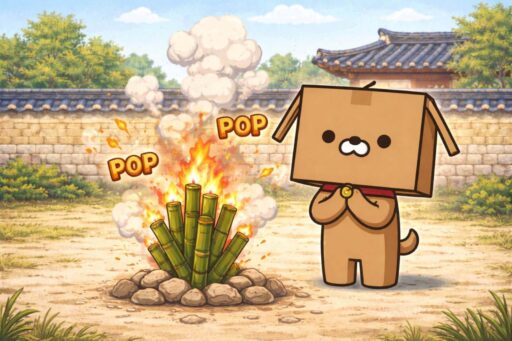
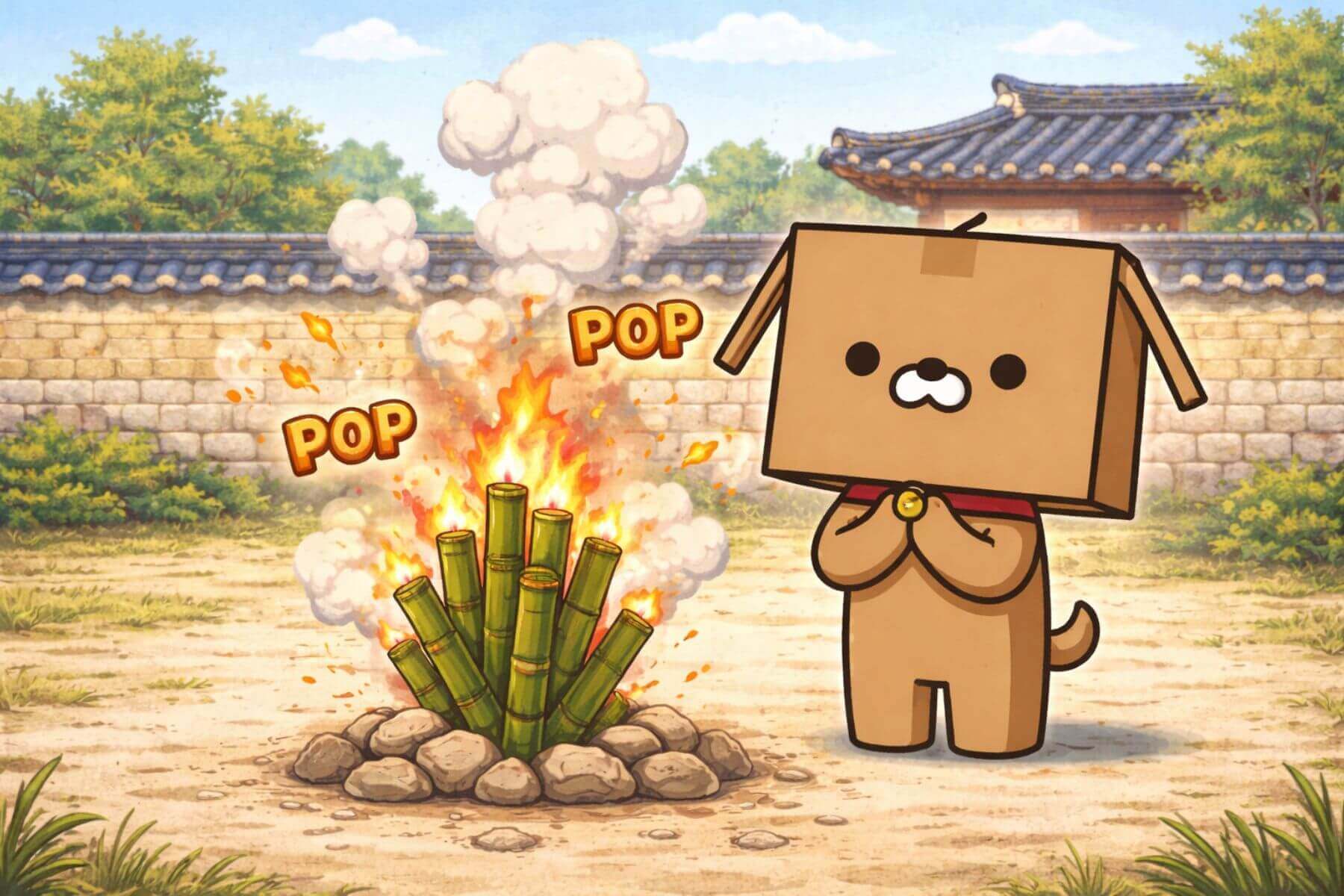
In older Korean villages, people used to burn pieces of bamboo during New Year celebrations. When bamboo burns, it makes loud popping sounds, which people believed would scare away evil spirits and negative energy. This practice was similar in purpose to fireworks in other cultures, serving as a symbolic way to cleanse the environment before the new year truly began. While you probably will not see bamboo burning in modern Korean cities, the idea of starting the year by removing bad energy still appears in other ways, such as deep house cleaning or symbolic gestures meant to welcome good luck. This tradition highlights how sound was once considered a spiritual tool, not just entertainment. It also shows how even simple natural materials were given meaningful roles in Korean cultural practices.
4. Giving New Year’s Money in White Envelopes
You may already know that Korean elders give money to younger family members during Seollal, but you might not know that traditionally the money was often placed in plain white envelopes rather than decorative ones. White symbolizes purity and a fresh beginning in Korean culture, making it appropriate for starting the year. Today, colorful envelopes are common, especially those with traditional patterns, but the original meaning focused on simplicity and sincerity rather than appearance. When you receive New Year’s money, called sebaetdon, it is not just a gift. It is a symbolic wish for your success and stability in the coming year. Understanding this helps you see that the money itself matters less than the blessing that comes with it.
5. Avoiding Sweeping on New Year’s Day
One unusual tradition you may not have heard about involves avoiding sweeping or throwing away trash on New Year’s Day. This belief came from the idea that cleaning on the first day of the year could sweep away your good luck and fortune. Because of this, families would complete all cleaning tasks before the holiday began. Even today, many Korean households do a deep cleaning right before Seollal. You might notice that this tradition feels similar to year end cleaning customs in other cultures, but the symbolic meaning in Korea is very specific. It represents clearing away last year’s problems so you do not carry them forward. By the time New Year’s Day arrives, you are supposed to simply enjoy the holiday without worrying about chores.
6. Wearing Specific Colors for Luck
Traditional Korean clothing choices during the New Year were sometimes influenced by beliefs about lucky colors. While hanbok is commonly worn for Seollal celebrations, some families also pay attention to colors believed to bring good fortune. Bright and clean colors symbolized optimism and renewal. For example, children often wore colorful hanbok to represent hope and growth. Even if you do not wear traditional clothing, the idea still exists today in the form of dressing neatly and respectfully when visiting family elders. This reflects the belief that how you present yourself at the beginning of the year can influence how others perceive you in the months ahead.
7. Fortune Telling Through Traditional Games
Some traditional Korean New Year games were not just for fun. They were also believed to predict luck for the coming year. For example, games like yutnori sometimes carried symbolic meanings depending on how the game unfolded. Certain results were jokingly interpreted as signs of financial luck, career success, or personal challenges. While most people today treat these games purely as entertainment, older generations sometimes still make playful predictions based on outcomes. This tradition shows how games once served social and symbolic roles at the same time. When you play traditional games during Seollal, you are not just passing time. You are participating in a cultural activity that once blended fun with fortune-telling.
8. Eating Specific Regional Dishes for Good Luck
While everyone knows about tteokguk, fewer people realize that some regions in Korea also have special New Year foods believed to bring good fortune. Certain coastal regions prepared seafood dishes symbolizing abundance, while agricultural regions focused on rice-based foods representing stability. These regional differences remind you that Korean culture is not completely uniform. Traditions often developed based on local resources and beliefs. Even today, some families maintain unique food customs passed down through generations. When you see a Korean family preparing a special dish that is not widely known, it may be a regional tradition rather than a modern invention.
9. Writing New Year Wishes on Paper
In some traditional households, people would write wishes or goals for the coming year on paper as a symbolic commitment. This practice was sometimes connected to Confucian ideas about self-improvement and personal discipline. Writing goals made them feel more concrete and encouraged people to reflect seriously on how they wanted to improve. While modern people often create digital resolutions or mental goals, this older practice reminds you that physically writing something can feel more meaningful. Some families still encourage children to write their goals as a way to develop responsibility and focus.
10. Listening for the First Sounds of the Year
One of the most fascinating but rarely discussed traditions involved paying attention to the first sounds you heard in the new year. Some people believed that hearing positive sounds, such as laughter or kind words, first would bring emotional happiness, while hearing arguments might suggest challenges ahead. While this was never considered a strict rule, it encouraged people to start the year peacefully and speak kindly to each other. Even if you do not believe in symbolic meanings, the lesson behind this tradition is practical. The way you start the year emotionally can influence your mindset for weeks or months afterward.
Final Thoughts
Korean New Year traditions go far beyond the well-known customs that appear in travel guides or documentaries. Many of the lesser-known traditions reveal how seriously people once viewed the symbolic meaning of small actions. From hiding shoes to avoiding cleaning and even listening carefully to the first sounds of the year, these customs show a strong cultural focus on intention and mindfulness. Even though modern Korean society has changed rapidly, many of these ideas still survive in subtle ways through family habits and cultural attitudes. When you learn about these traditions, you gain a deeper appreciation for how Korean culture balances modern life with historical values. If you ever experience Seollal firsthand, you may notice that even small gestures carry meaning. Understanding these traditions allows you to see beyond the surface and recognize the deeper cultural messages behind the celebration.
Frequently Asked Questions About Korean New Year Traditions
What is the most important Korean New Year tradition?
The most important tradition is performing the deep respectful bow called sebae to elders. This gesture shows respect and gratitude while also symbolizing a fresh start. After performing the bow, younger family members usually receive blessings and sometimes New Year money.
Why do Koreans eat tteokguk on New Year’s Day?
Eating tteokguk symbolizes gaining a year in age and starting fresh. The white rice cake soup represents purity and a clean beginning. The round rice cakes also symbolize coins, representing prosperity.
Do all Koreans still follow traditional New Year customs?
Not everyone follows every tradition today. Some families focus only on major customs like family gatherings and traditional meals. Others try to maintain more traditional practices depending on their family background.
Is the Korean New Year more important than January 1?
For many Koreans, the Lunar New Year feels more culturally significant because it focuses on family traditions. However, January 1 is still widely celebrated as the international start of the year.
What should you wear to a Korean New Year celebration?
If you attend a traditional celebration, wearing neat and modest clothing is appropriate. Some people wear hanbok, but this is not required. Showing respect through your appearance matters more than wearing traditional clothing.
Can foreigners participate in Korean New Year traditions?
Yes, foreigners are usually welcomed warmly if they show respect and interest. Learning simple etiquette, such as how to greet elders politely, can help you participate comfortably.
Why is family so important during Seollal?
Seollal emphasizes family because Korean culture has long valued respect for elders and strong family bonds. The holiday provides a rare opportunity for extended families to gather.
What games are commonly played during the Korean New Year?
Traditional games like yutnori, jegichagi, and neolttwigi are commonly played. These games help create a festive atmosphere and encourage interaction between generations.
Are Korean New Year traditions changing?
Yes, traditions continue to evolve as lifestyles change. While some customs become less common, many families still try to preserve meaningful practices while adapting them to modern life.
What is the meaning behind Korean New Year traditions?
Most traditions focus on starting the year with respect, gratitude, and positive intention. Whether through food, greetings, or symbolic actions, the goal is to begin the year with good energy.
Sign Up & Receive 2 DK Points
Create your free account in just a few seconds and start your shopping journey in Korea with extra value.
Your 2 DK Points will be instantly added and ready to use on your first purchase or shipment.