


K-pop is famous for fast trends and short idol lifespans, but a select group of artists has defied the odds. These legends have stayed relevant for decades through reinvention, loyal fandoms, and undeniable talent. Ranked by career longevity as of 2026, here are the top 10 K-pop artists with the longest careers, still actively performing, releasing music, or shaping the industry today.
Shop K-Pop Merch & Ship Worldwide
Get closer to your favorite idols with official albums, lightsticks, and exclusive merchandise from Korea.
Let Delivered Korea handle everything from purchase to delivery so you can enjoy authentic K-pop goods anywhere in the world.
1. Turbo (31 Years)

Debuting in 1995, Turbo is the longest-active K-pop act still performing today. Known for explosive dance-pop and eurodance hits, the group dominated the first generation of K-pop. After reuniting in 2015 as a trio under their own label, Turbo continued appearing on music shows, festivals, and concerts. Their ability to channel nostalgia while maintaining live-stage energy has allowed them to remain relevant more than three decades into their career.
2. Shinhwa (28 Years)
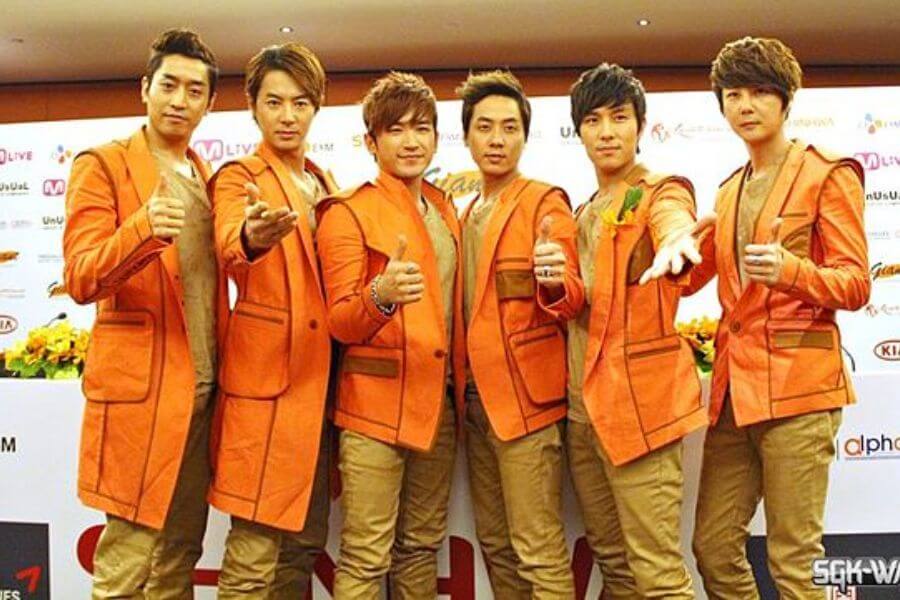
Shinhwa debuted in 1998 and is recognized as the longest-running boy band with an unchanged lineup in K-pop history. After leaving SM Entertainment, the group established their own company to protect their name and rights, setting a major industry precedent. Despite hiatuses and military service, Shinhwa has remained active through albums, concerts, and variety appearances, solidifying their legacy as pioneers of idol longevity and independence.
3. Koyote (28 Years)

Formed in 1998, Koyote is one of K-pop’s most enduring co-ed groups. Known for high-energy hip-hop dance tracks, they maintained popularity across multiple generations despite lineup changes. With core members like Shin Ji remaining active, Koyote continues releasing music and performing on broadcast stages. Their consistent sound and adaptability have helped them survive shifting trends for nearly three decades.
4. g.o.d (27 Years)

Debuting in 1999, g.o.d earned the title of “the nation’s group” through emotionally resonant songs and relatable storytelling. Unlike trend-driven idol acts, g.o.d built a lasting bond with the general public. In 2025, they sold out KSPO Dome concerts as a full five-member group, proving their continued relevance. Their longevity stems from authenticity, strong vocals, and timeless music.
Shop DKshop & Ship Worldwide
From K-pop and K-beauty to fashion, hobbies, stationery, and character goods, DKshop brings Korea’s most loved products to you. DKshop takes care of the entire process from buying to international delivery, so you can shop effortlessly no matter where you are.
5. BoA (25 Years)

BoA debuted in 2001 and redefined what a long-term K-pop solo career could look like. She pioneered the Japanese market for idols and influenced generations of performers. In 2025, she released her 11th album Crazier before concluding her SM Entertainment contract. Beyond music, BoA remains active as a judge, producer, and actress, maintaining her status as the Queen of K-pop.
6. PSY (25 Years)

PSY launched his career in 2001 and became a global phenomenon with “Gangnam Style.” Known for humor, performance charisma, and sharp social commentary, he has remained relevant well beyond viral fame. As the founder of P Nation, PSY also shapes the industry behind the scenes while continuing to perform. His longevity reflects adaptability, cultural impact, and strong personal branding.
7. Rain (24 Years)

Rain debuted as a solo artist in 2002 and quickly rose as one of the first true global Hallyu stars. Alongside chart-topping music, he expanded into acting, starring in Korean dramas and Hollywood films. Today, Rain remains active through performances, business ventures, and artist management. His ability to balance entertainment, entrepreneurship, and performance has sustained his career for over two decades.
8. TVXQ! (21 Years)
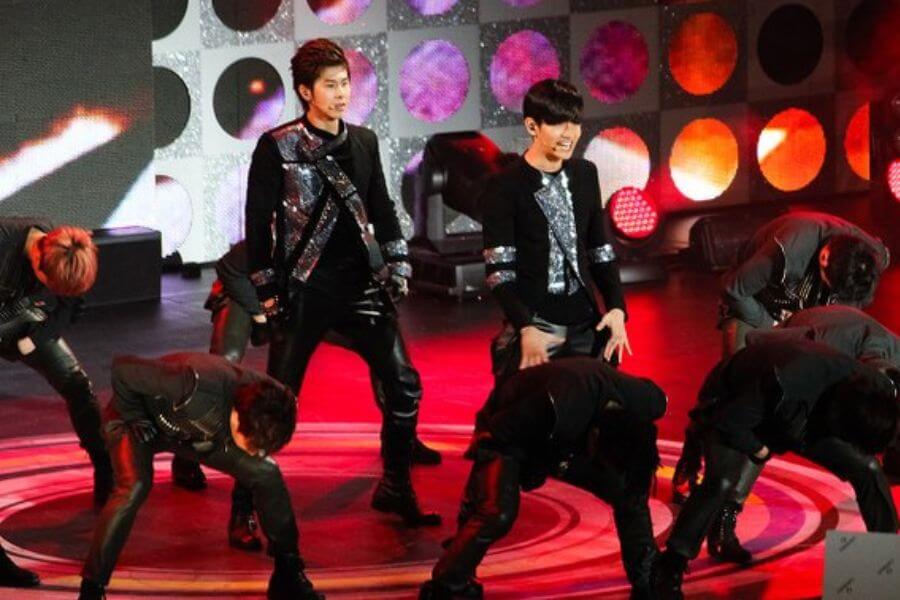
TVXQ! debuted in 2005 and became icons of elite vocals and powerful stage performance. Despite major lineup changes, Yunho and Changmin have sustained the group’s dominance, particularly in Japan. Their 20th anniversary tours in 2025, including Tokyo Dome shows, reinforced their superstar status. TVXQ!’s musical excellence and historical influence on idol contracts cement their enduring legacy.
Shop KTOWN4U & Ship Worldwide
100% Authentic | Official Korean Purchase
Shop albums, merch, and exclusive POBs from one of Korea’s leading local K-pop retailers.
9. Super Junior (21 Years)

Debuting in 2005, Super Junior pioneered large-member idol groups and helped globalize K-pop across Asia and Latin America. Known for adaptability, they thrived through sub-units, solo projects, and variety dominance. In 2025, they launched Super Show 10 and continued global touring, with new music planned for 2026. Their longevity comes from versatility and unmatched fan loyalty.
10. BigBang (20 Years)
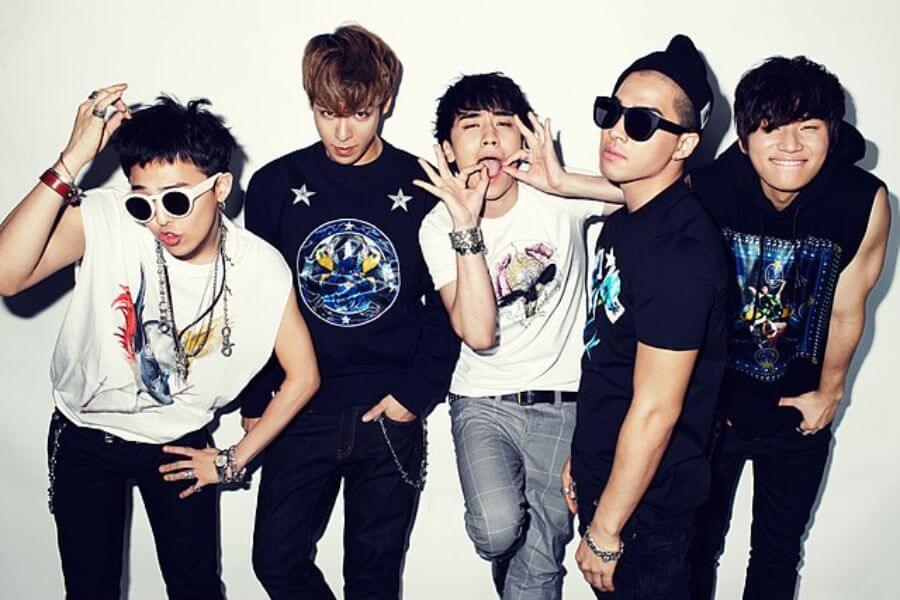
BigBang debuted in 2006 and revolutionized idol artistry through self-production, fashion influence, and global appeal. Even after long hiatuses, their cultural impact remains immense. Following the 2022 release of “Still Life,” BigBang continues to generate anticipation, with plans for a 2026 comeback and Coachella performance. Their enduring relevance proves that influence often outlasts activity.
Conclusion
These long-running K-pop artists prove that true influence outlasts trends. From first-generation legends like Turbo and Shinhwa to global icons such as BoA, PSY, and BigBang, longevity in K-pop is built on adaptability, talent, and loyal fandoms. Their decades-long careers highlight how evolution, authenticity, and cultural impact sustain success in a fast-moving industry. As K-pop continues to grow worldwide, these veterans remain the gold standard for lasting relevance.
Sign Up & Receive 2 DK Points
Create your free account in just a few seconds and start your shopping journey in Korea with extra value.
Your 2 DK Points will be instantly added and ready to use on your first purchase or shipment.